2026-11-20 · 5 min read · Overton County
Selling Inherited Land in Overton County: The First Steps
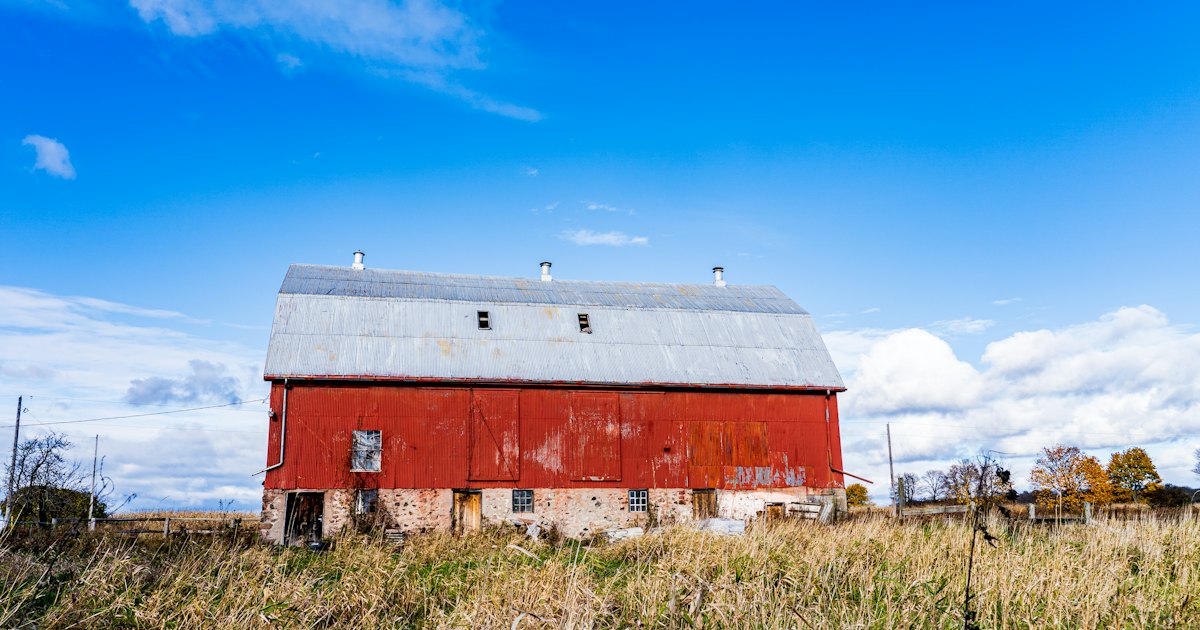
Inherited land comes with questions before it comes with a price
I'm Bridget Salazar, OC Homegirl. I'm a REALTOR® with The Realty Firm and a Certified Residential Appraiser, and Overton County is my home county.
Land here gets passed down. A few acres behind the home place, a field somebody farmed, a tract that has carried the same family name for generations.
The call usually starts the same way. Somebody inherited land in Overton County, they aren't sure what they have, and the rest of the family lives in three different states.
None of that is unusual, and none of it has to be solved this week. These are the first steps, in the order they actually matter.
First, who is able to sign
Step one isn't mine. It's your attorney's.
Before a price matters, somebody has to establish who holds title and who can sign a deed. That may run through probate, it may run through a trust, or it may already be settled. More than one heir means more than one signature, and the names on the deed may not match the names in the family.
I don't give legal advice and I never guess at this part. What I do is work alongside the attorney and keep the real estate side moving while that gets sorted. Probate and trust sales is how I handle it.
Ask your attorney one plain question early. What has to be finished before this property can close?
Next, find out exactly what the parcel is
Families know the land by sight. A buyer and a lender need it on paper.
So I start gathering:
- The deed, and the parcel number from the county assessor.
- The acreage, both what the deed says and what the county shows, because they don't always agree.
- Any survey that exists, and how old it is.
- How you legally get to it. Road frontage, or an easement across somebody else's ground.
- Whether the tract is in Greenbelt.
Access moves land value more than almost anything and gets checked least. How road frontage affects land value and what an easement is both come up on inherited tracts constantly.
What Greenbelt is explains that program. Rollback taxes depend on your situation, so those numbers go to your CPA and the county assessor.
What the land can do is what a buyer pays for
Buyers aren't purchasing acres. They're purchasing what they can do with them.
So the questions are usable acres versus total acres, where a house could go, how far power is from a building site, and whether there's a well that anybody has tested.
Soil has to be approved before a house gets permitted, and that one answer decides whether your tract sells to a builder or only to a neighbor. How a perk test works explains it.
You don't have to fix any of this before you sell. You do need to know the answers, because the first serious buyer will ask and a shrug costs you money.
How I price inherited acreage
Online estimates are built for houses in subdivisions. Hand one a rural tract and it has almost nothing to work with.
I price land the way I was trained to as an appraiser. Closed land sales that resemble the tract in size, access and usability, adjusted for the differences. Then I show you the sales.
Size moves the number in a direction people don't expect. A large tract usually sells for less per acre than a small one, so you can't take a neighbor's five-acre sale and multiply it across forty. Price per acre versus price per square foot gets into that, and pricing with few comps covers thin sales data.
One distinction worth knowing. As your listing agent, my number is a pricing opinion built with appraisal methods, not a formal appraisal. If the estate needs a value for court or for taxes, that's a different assignment, and your attorney or CPA will tell you what's required.
What your home is worth walks through the method, and selling land is how I run a land listing.
Getting the family on the same page
The hardest part of an inherited sale is usually not the land.
Several people own it, they want different things, and one of them lives four hours away. So I keep it simple. Everybody gets the same information at the same time, and the heirs pick one point of contact for me to work through.
Then we settle three things before anything lists. The price, the lowest terms everyone can live with, and who signs what. Agreeing on that in advance keeps an offer from turning into an argument on a Tuesday night.
If the tract sits closer to town, selling land in Livingston covers that market, and how I sell lays out the order I work in.
Send me the parcel number and I'll start digging
If you inherited land in Overton County and don't know where to start, start here. Send me the parcel number or the address, and I'll pull what the county has and tell you what tracts like it have been selling for.
There's no obligation to list anything. Plenty of families decide to hold the land, and knowing what it's worth is useful either way. If what you inherited is a house rather than bare ground, Livingston and the communities around it are where I work every day.
Call or text me at (931) 510-1346, or send me a note here. Tell me what you inherited and who else is involved.
Title, probate and deed questions go to your attorney. Tax basis and rollback taxes go to your CPA. The contract sets the terms. The property and the price are mine.
Watch me explain it