2026-11-05 · 5 min read · Overton County
How Road Frontage Affects Land Value in Overton County
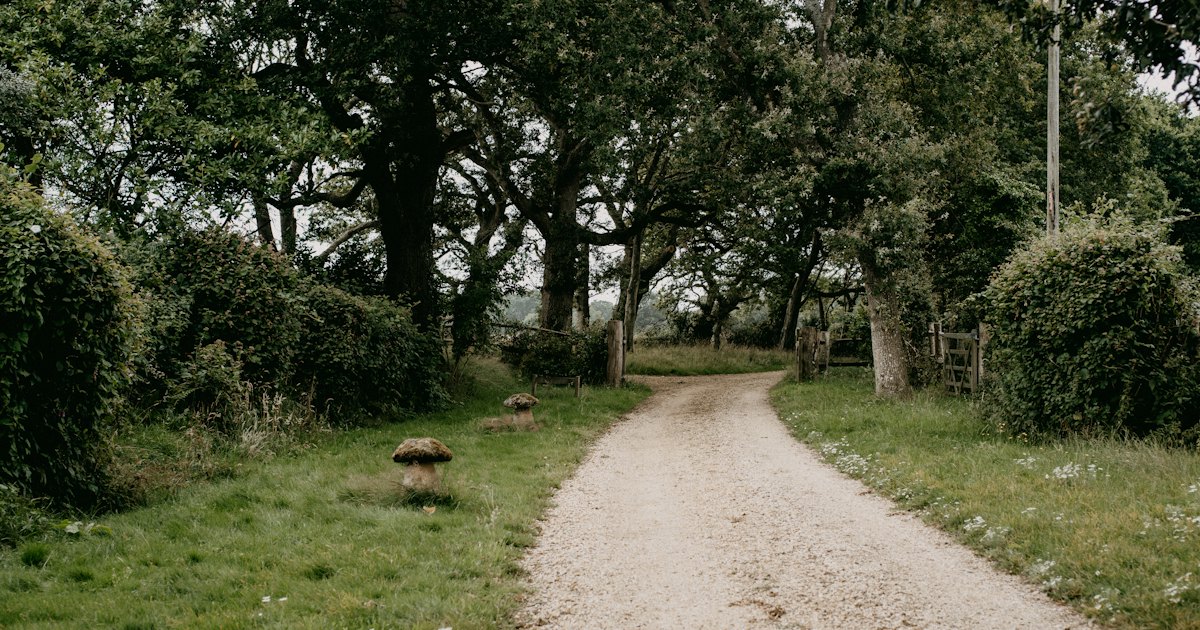
Frontage is one of the first things I look at on a tract
I'm Bridget Salazar, OC Homegirl. I'm a REALTOR® with The Realty Firm and a Certified Residential Appraiser, and I work across Overton County and the rest of the Upper Cumberland.
When somebody sends me a land listing, I look at the acres, then I look at the road.
How a tract meets the road decides more than buyers expect. It sets where a drive can go and what it costs to bring power in. It also sets how many buyers want the place, and whether it can ever be split.
So here is what road frontage is, when it adds value, and when more of it is worth less than you would think.
This is general guidance, not legal advice. Your attorney reads the deed, the county and the state set the rules for the road, and the contract sets the terms.
What road frontage actually is
Road frontage is how much of your boundary touches a road, measured in feet along that road.
Three things about it matter more than the number itself.
The first is which road. A state highway is not a gravel county road, and neither one is a private drive. Buyers do not price them the same.
The second is public or private. A public road is maintained by somebody other than you. A private drive is maintained by whoever the documents say, and when the documents say nothing, by whoever gets tired of the potholes first.
The third is depth. Frontage is one dimension. A tract can carry a lot of road and very little usable ground behind it, or barely any road and plenty of room once you get in.
Why frontage moves the price
Frontage is worth money for practical reasons, and they stack up.
- Getting in. A tract touching a public road can usually have its own drive, with no easement across a neighbor.
- Utilities. Power, water and internet generally run along the road. The shorter the trip to your building site, the less you spend.
- Building sites. More frontage often means more than one place a drive and a house can go.
- Splitting it later. A tract with road on it can sometimes be divided. A tract with none cannot be divided into pieces anybody can reach. What a split takes is a question for the county.
- Who shows up. A gravel-drive hunting tract sells to one kind of buyer. Five acres on pavement near Livingston sells to anybody who wants to build.
That last one gets underestimated. Across Overton County, where most homes sit on their own land, frontage is often what decides whether a tract competes for house buyers or only for recreation buyers.
When more frontage is worth less
Frontage is not a number to maximize without looking at the rest of the tract.
A long narrow piece can be almost all frontage and still be hard to build on. Setbacks take a strip off both sides, and a septic field needs room. Ground you cannot use is ground buyers do not pay much for.
Then there is what sits on the frontage. A steep bank, a deep ditch or a blind curve can mean the only workable spot for a drive is not where you wanted it. A drive onto a state highway may need a permit from the state, and on a county road the county road department is who to ask. Ask before you offer.
Busy roads cut both ways. Traffic is convenient, and it is also noise and headlights, so on a tract meant for a house it often costs value rather than adding it.
More of these are in my post on questions to ask before you offer on land.
Frontage and legal access are not the same thing
This is the distinction that costs people money, so I will say it plainly.
Touching a road is not the same as holding the right to use it. And no frontage at all does not always mean you cannot get there, because a recorded easement across the tract in front can give you legal access.
So I check both. Does the tract front a road, and is the access it depends on written down. A survey answers the first. A title search and the deed answer the second. My post on what an easement is covers how those rights work.
Land with recorded access and land without it are two different products, and a lender may treat them differently as well. Ask your lender early. How I work this list with a buyer is on buying land.
How I put a number on frontage
I do not price frontage with a per-foot rule, because there is not one that holds across a county this varied.
I pull closed land sales that resemble the tract in front of me. Similar size, similar part of the county, similar road. Then I compare sales that differ mainly in their frontage and access, and let the gap between them show me what the market paid for it.
Size works against simple math here. A big tract usually sells for less per acre than a small one, so you cannot take a farm sale on a gravel road and run that figure on three acres fronting pavement.
If you own land and want to know what it is worth with its frontage and access counted, that is selling land. As your listing agent, my number is a pricing opinion built with appraisal methods and not a formal appraisal.
Let me look at the road before you make an offer
Looking at a tract in Overton County or anywhere in the Upper Cumberland? Send me the listing link or the parcel number. I will look at how it meets the road and check what access is recorded. Then I will tell you what comparable tracts sold for.
The order of the whole purchase is on how I help buyers, and the local land page is buying land in Livingston.
Deed and easement questions go to your attorney. Tax and rollback questions go to your CPA. Financing questions go to your lender, and the contract sets the terms.
Send me a message or call (931) 510-1346. I answer every question.
Watch me explain it