2026-11-12 · 5 min read · Overton County
Manufactured Homes on Land in Overton County: What Buyers Should Know
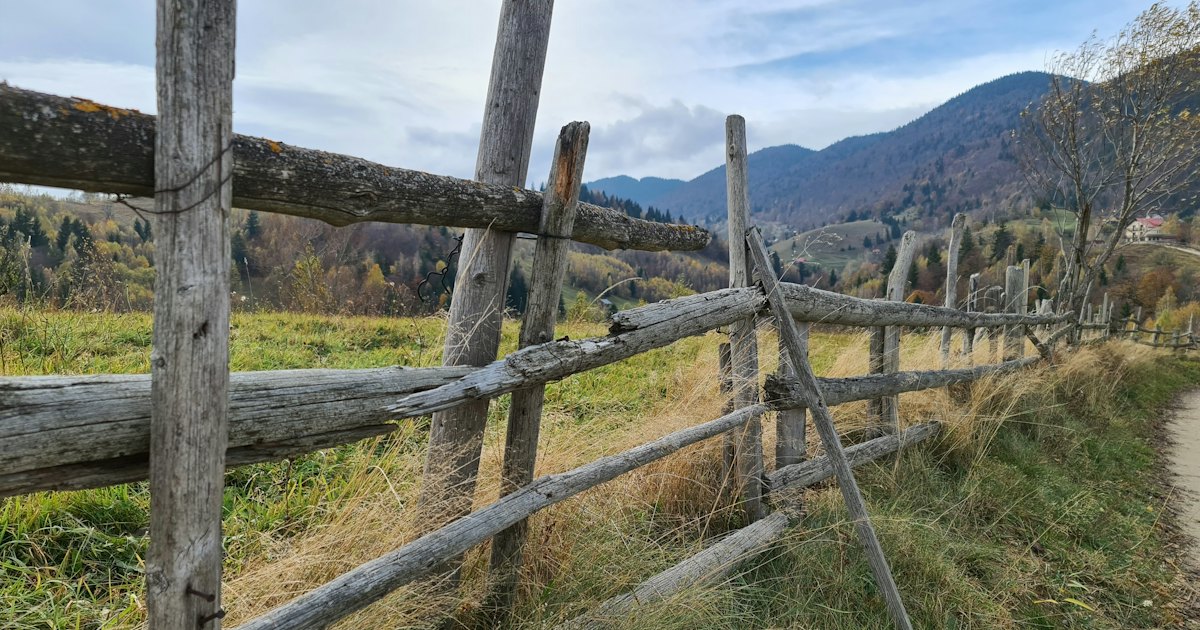
A big part of what sells out here is a home on its own land
I'm Bridget Salazar, OC Homegirl. I'm a REALTOR® with The Realty Firm and a Certified Residential Appraiser, and I work across Overton County and the rest of the Upper Cumberland.
A real share of what comes on the market around Livingston and the rural parts of the county is a manufactured home sitting on its own acreage. Buyers call me about those listings constantly, and the first question is usually some version of whether it is a good idea.
That is the wrong first question. The right one is what you are actually buying, because two listings that look the same in photos can be set up completely differently on paper.
Here is what I check, in the order I check it.
Manufactured, mobile and modular are not the same word
People use these interchangeably. A lender and an appraiser do not.
- Manufactured. Built in a factory to a federal code, transported to the site, and carrying a metal label and a data plate that identify it.
- Mobile. The older term, used for factory-built homes from before that federal code existed. Lenders treat these differently, and some will not lend on them at all.
- Modular. Built in sections in a factory to the same state and local building code as a site-built house, then assembled on a permanent foundation. Financed and appraised much more like a site-built home.
A listing that says mobile home may be a manufactured home, and a listing that says manufactured may be something older. The label and the paperwork settle it. The description does not.
Is it real estate, or is it titled like a vehicle?
This is the question that changes everything, and most buyers have never heard it asked.
A manufactured home starts out with a title of its own, the way a vehicle does. The land has a deed. That is two separate pieces of paper describing two separate things.
Tennessee has a process for retiring that title so the home is treated as part of the real property, and from then on the deed covers both. Whether that was ever done on the home you are looking at is a title question, and the closing attorney's search is what answers it.
Ask early. Ask while you still have room in your inspection period, because the answer affects your loan, your closing and what you own when it is over.
If the seller does not know, that is common and it is not a problem by itself. It does mean somebody has to go find out. How the title work fits into the rest of the deal is in what happens at closing.
Financing turns on the foundation
Lenders carry their own requirements for a manufactured home, and they are tighter than for a site-built house.
What usually comes up:
- how the home is attached to the ground, and whether a permanent foundation is required
- whether the axles, wheels and towing hitch were removed
- whether the title has been retired into the real estate
- the age of the home, and whether that lender sets a limit on it
- single wide versus double wide, since some programs draw a line there
- whether an engineer's foundation certification is required
Every lender and every loan program answers those differently, so this is a conversation to have before you write an offer rather than after. Your lender decides what their loan will do, and the contract sets your terms.
Deals come apart over this, and it is almost always because the financing question got asked late. Talking to a lender first is step one for everybody I work with, and it opens how I help buyers.
How I value a manufactured home on land
This is the appraiser part, and it is where the number comes from.
I do not value the home against site-built sales down the road. A manufactured home gets compared to closed sales of other manufactured homes, matched as closely as I can get them on size, age, condition and how much land came with the sale.
Then the land does its own work. Usable acreage, road frontage, legal access, whether the ground will support a septic system, and what is already in place. That piece runs exactly the way I laid out in price per acre versus price per square foot.
The permanent improvements matter more than buyers expect. A home set on a permanent foundation with a real driveway, utility water or a good well, a working septic system, a shop and a cleared yard reads very differently from the same home set on blocks with none of that done.
Comparable sales get thin out in the county, which is the problem every rural property here has. It is why I pull the sales and show them to you instead of handing over a number, and that is what my home value page is about.
What to check before you make an offer
- The label and the data plate. They identify the home and when it was built. Photograph both.
- The title status. Retired into the real estate, or still sitting out there on its own.
- The foundation and the setup. What it sits on, whether it is permanently attached, and what the skirting is covering.
- Septic. The permit, what size home it was approved for, and any repair history. A perk test matters here the same way it does on bare ground.
- Water. Utility water or a well, and who maintains the line.
- Access. Whether the driveway crosses somebody else's property, which is an easement question.
- Deed restrictions. Some tracts restrict manufactured homes, including replacing one later.
- Insurance. Get a quote during your inspection period, not after it closes.
- The roof, the floors and the underside. Soft floors, roof seams, and anything that says water has been in it.
Get your own inspection. Factory built is not a reason to skip one, and the setup itself is worth having somebody look at.
Send me the listing before you fall for it
If you are looking at a manufactured home on land around Livingston or anywhere in Overton County, send it to me first. Call or text me at (931) 510-1346, or send me a note here.
I will tell you what the title situation looks like, what the land is worth on its own, and what I would ask a lender before you write anything. If this is your first purchase, that walkthrough is most of what I do with first-time buyers in Livingston. If what you really want is bare ground to set something on, start with buying land.
Loan questions belong with your lender, and title and legal questions belong with your attorney. The contract sets the terms. Everything about the property and the price is mine.
Watch me explain it