2026-11-17 · 4 min read · Livingston
How the VA Appraisal Works When You Buy a Home in Livingston, TN
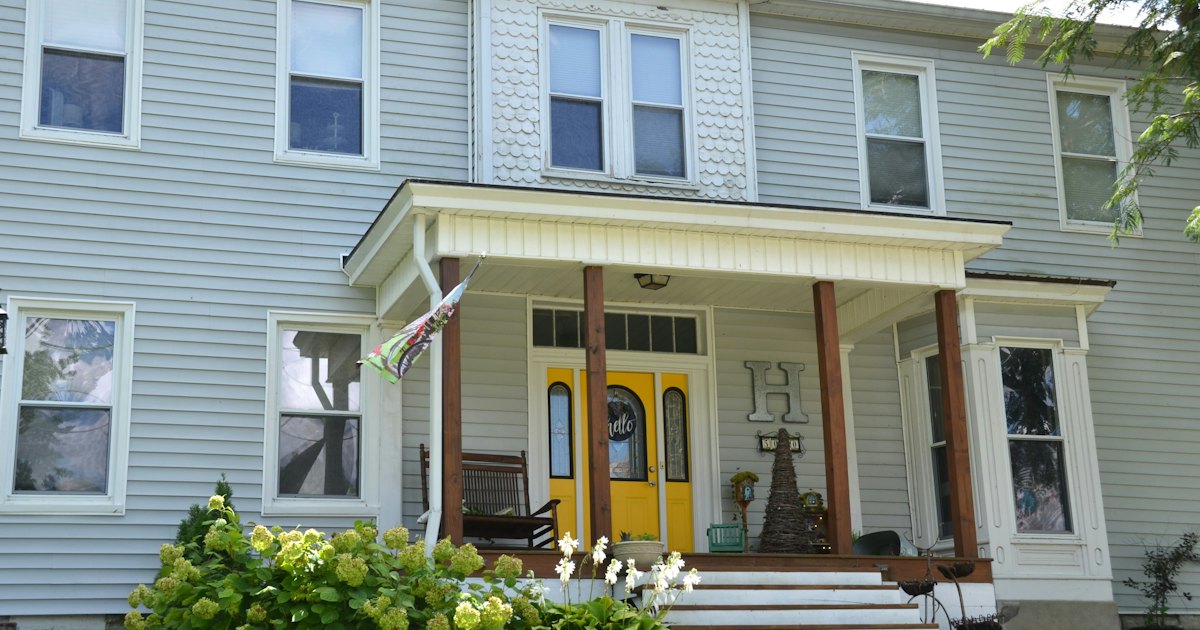
A VA appraisal is not just another appraisal
I'm Bridget Salazar, OC Homegirl. I'm a REALTOR® with The Realty Firm and a Certified Residential Appraiser, and Livingston is my home base.
Veterans and service members buy out here all the time, and the question I get asked most is what the VA appraisal is going to do to the deal.
Fair question. A VA appraisal does two jobs in one visit, and only one of them is the value. The second job is where deals on older rural property in Overton County get interesting.
Here is how it runs, start to finish.
Who orders it, who does it, and what comes back
You don't order it and neither do I. Your lender does, through the VA's own system, once you're under contract.
The VA assigns the work to an appraiser on its approved panel for this area. Nobody in the deal gets to pick that person, which is the point of it. The fee and the turn time are set for the region, so your lender is the one who can tell you both.
What comes back is a Notice of Value. That's the VA's number plus any conditions on the property, and your loan gets written against it.
One thing to be clear about. When I give you a number on a house before you offer, that's a pricing opinion built with appraisal methods, not a formal appraisal. Two different assignments. My home value page walks through the method.
The second job: minimum property requirements
This is the part that catches buyers out. The VA appraiser is also checking the house against the VA's minimum property requirements, which exist so the home you're borrowing against is safe, sanitary and structurally sound.
What tends to come up on older homes around here:
- roof condition, and anything actively leaking
- a working heat source
- exposed wiring, open panels, or plumbing that doesn't run
- chipping or peeling paint on an older home
- water in the crawl space, rot, or pest damage
- missing handrails, broken steps, soft floors
- legal access to the property, and a driveway somebody can actually use
- safe drinking water and a working septic system or sewer
The VA and your lender set that list, not me, and they're the ones to confirm it against your file. What I can tell you is that these items come up, and most of them get fixed before closing when somebody spots them early.
Rural property here has its own list
Most of what I sell in Overton County is a home on land, and that changes which questions matter.
Water is the first one. If the house is on a well instead of utility water, a water test may be required, and who orders it and who pays for it come out of the contract. Well water and home value goes deeper on that.
Access is the second. If the driveway crosses somebody else's ground, that's an easement question, and it needs to be in writing rather than a handshake with a neighbor.
Then the septic system, the outbuildings, and the condition of anything that has been sitting empty a while. I walk a property with all of that in mind before you write an offer, and that's most of what I do with VA and military buyers.
It still is not a home inspection
Don't confuse the two, and don't skip the second one.
The VA appraisal protects the lender's loan. A home inspection protects you. The appraiser isn't crawling your whole attic to date your ductwork, and a clean Notice of Value is not a promise that nothing is wrong with the house.
Pay for your own inspection. Every time, on every house. What happens during a home inspection lays out what you get for the money.
If the value lands under your contract price
It happens, and on rural property with few recent sales nearby it happens more than buyers expect.
Before that number is final, the VA has a step where the appraiser can be given additional closed sales to consider. Your lender runs that process. I'm the one who pulls the sales and hands them over, which is why I keep every comparable I used when we built your offer. It's information, not pressure.
If the value still comes in below the price, a VA loan carries an amendatory clause written to protect you. It gives you the right to back out instead of paying above the VA's established value. How that plays out is governed by your contract and your lender, so ask both.
From there it's a negotiation. What happens if the appraisal comes in low walks through the options on both sides of the table.
Using your VA benefit here? Start with a phone call
If you're buying in Livingston with a VA loan, or anywhere from Cookeville to Dale Hollow Lake, call or text me at (931) 510-1346, or send me a note here. Send me the listing before you write anything, and I'll tell you what I think a VA appraiser is going to flag on it.
Not under contract yet? Step one is how I help buyers. First house of your own? That's first-time buyers.
Loan and benefit questions belong with your lender and the VA, and legal questions belong with your attorney. The contract sets the terms. Everything about the house, the land and the price is mine, and I answer all of it.